Lock Dealers
Door Closer Suppliers Near Me | Quality Door Hardware
Finding reliable Door Closer Suppliers Near Me is essential whether you are managing commercial real estate, renovating residential spaces, or securing retail storefronts. A properly installed door closer plays a vital role in maintaining indoor climate control, preserving acoustic privacy, ensuring fire code compliance, and preventing property damage from uncontrolled door slamming.
When sourcing hardware locally, choosing the right mechanism (such as surface-mounted, concealed, or floor-spring models), matching the hydraulic arm capacity to your exact door weight and frame dimensions, understanding industry safety grades, and evaluating dealer services ensures long-term building security.
Common Types of Door Closers at Local Hardware Dealers
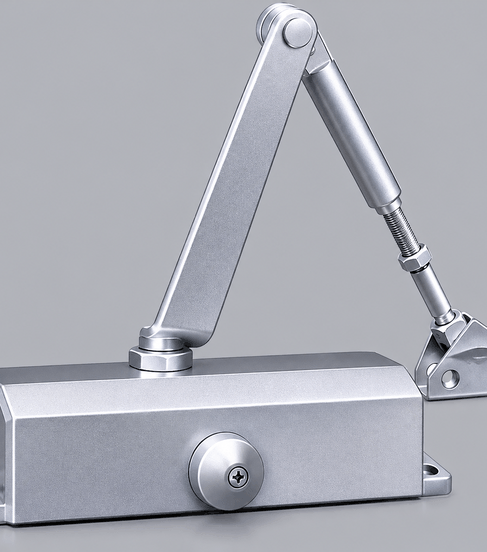
Architectural hardware distributors stock several core hydraulic and mechanical options designed for distinct door weights, frame designs, and daily foot-traffic volumes:
- Surface-Mounted Overhead Closers:The standard hardware choice for commercial aluminum, wood, and hollow metal entryways. These units are configured using regular arm, parallel arm, or top jamb mounting orientations.
- Concealed Door Closers:Built directly inside the top jamb or within the door leaf itself. They remain invisible when the door is shut, making them popular for high-end residential interiors and executive suites.
- Floor Springs (Floor-Concealed Closers):Set beneath the threshold in a concrete box. They support heavy toughened glass doors and facilitate double-action 180-degree swings in shopping centers and bank entrances.
- Pneumatic & Light-Duty Closers:Lightweight air-filled devices used primarily for residential screen doors, storm doors, and light utility entrances.
Technical Comparison of Door Closer Mechanisms
| Closer Mechanism | Door Weight Capacity | Material Compatibility | Target Environment | Primary Benefit |
|---|---|---|---|---|
| Overhead Hydraulic | 40 kg – 120 kg | Steel, Wood, Aluminum | Commercial Offices, Fire Doors | High durability & dual-speed adjustment valves |
| Concealed Hydraulic | 35 kg – 80 kg | Wood, Flush Panel Doors | Executive Offices, Luxury Homes | Clean aesthetic with zero visible hardware |
| Heavy-Duty Floor Spring | 80 kg – 150 kg | Toughened Glass, Metal | Malls, Glass Storefronts, Banks | Smooth 180° swing with center-hung pivots |
| Pneumatic Closer | Up to 35 kg | Light Wood, Screen Doors | Home Balconies, Screen Entrances | Cost-effective and simple DIY installation |
Key Technical Specifications to Verify Before Purchasing
Before visiting a local distributor or placing a bulk order, evaluate these architectural standards:
- Cycle Rating & Grade Certification: High-traffic entryways require ANSI/BHMA Grade 1 certification, which guarantees testing for over 1,000,000 operational cycles.
- Dual-Valve Hydraulic Controls: Ensure the closer features separate, independent internal valves to adjust sweep speed (the wide 90° to 15° closing arc) and latch speed (the final 15° lock engagement).
- Backcheck Cushioning: An essential hydraulic feature that slows the door during sudden back-swings caused by wind or forceful pushing, protecting adjacent walls and hinges.
- Fire Safety & ADA Compliance: Fire-rated assemblies require certified closing devices meeting UL 10C or EN 1154 safety standards while staying within ADA opening force limits.
How to Select the Best Local Architectural Hardware Vendor
- Before purchasing, consider what you need to store and where the locker will be installed. A compact 10L–20L safe may be suitable for jewelry, passports, and everyday valuables, while larger 40L–95L models provide more space for property documents, cash, files, and multiple valuables.
- You should also consider the preferred access method. PIN-based lockers are convenient for everyday use, while biometric models provide quick fingerprint access. Depending on your available space, floor, wall, or wardrobe installation may also be considered.
Benefits of Choosing a Chennai Authorized Supplier
To ensure a smooth transaction and reliable installation support, select suppliers based on these four criteria:
- Authorized Brand Inventory: Confirm the dealer stocks recognized international brands such as Dormakaba, LCN, Yale, Ozone, Hafele, or Allegion.
- Technical Assistance & Drilling Templates: Reputable vendors supply exact mounting templates and guide contractors on spring size adjustments.
- Warranty Terms: Look for distributors offering 1 to 5 years of replacement coverage against fluid leaks and mechanical gear wear.
- Commercial Contractor Pricing: Local wholesale suppliers provide significant trade discounts for volume orders across multi-unit or commercial developments.
Conclusion
Choosing a good local supplier for door closers ensures your doors operate safely, lock securely, and last a long time. By buying certified products from trusted brands like Dormakaba, Ozone, Hafele, or Yale, you get hardware built for your exact door weight and foot traffic. Matching the right mechanism to your door type prevents damage, controls noise, and keeps your building safe and energy-efficient.
Frequently Asked Questions
How do I pick the right door closer?
Match the closer to your door's weight, width, and traffic volume. Heavy commercial doors need heavy-duty, Grade 1 closers built for high traffic, while light interior doors use lighter, standard-duty models.
What is the difference between sweep speed and latch speed?
Sweep speed controls how fast the door swings shut from wide open down to about 15 degrees. Latch speed controls the final 15 degrees to make sure the door clicks securely into the frame without slamming.
Should I choose an overhead closer or a floor spring?
Overhead closers are easy to install and work best for standard wooden, metal, or aluminum doors. Floor springs sit hidden in the ground and are ideal for heavy glass doors that need to swing both ways.
Can door closers be used on fire doors?
Yes. Fire doors require fire-rated closers (certified to standards like UL 10C or EN 1154) to ensure the door automatically closes and latches completely to stop fire and smoke from spreading.
Can a leaking door closer be fixed?
No. If oil is leaking around the arm or valves, the internal seals are broken. The closer cannot be repaired and needs to be replaced to work properly again.